
Singapore ranks among the most digital-ready economies in the world, with government data showing that a large majority of residents use e-payments in daily life. That digital mindset now shapes how property is bought and sold. From booking fees to document signing, today’s homebuyers expect the same smooth online experience they get from banking or shopping apps.
This shift is clear in projects like urban sophistication, where the buying journey reflects the smart-living ideals behind Tengah’s master plan. Tengah, often described by the Urban Redevelopment Authority as Singapore’s first smart and sustainable town, integrates technology into transport, energy use, and community spaces. It makes sense that the purchase process mirrors that same forward-thinking design.
A New Era of Digital Property Transactions
Property transactions in Singapore have steadily evolved. The Council for Estate Agencies, which regulates property agents, has encouraged higher professional standards and digital tools across the industry. Developers now offer online portals where buyers can explore floor plans, check availability, and review pricing in real time, reflecting broader digital booking and payment trends in real estate that include virtual tours and online unit reservations.
For Tengah Garden Residences, this means buyers can browse unit layouts, compare stacks, and access updated information without repeated site visits. Virtual tours and digital brochures replace thick printed booklets. Details are available instantly, helping buyers make informed decisions from home or even overseas.
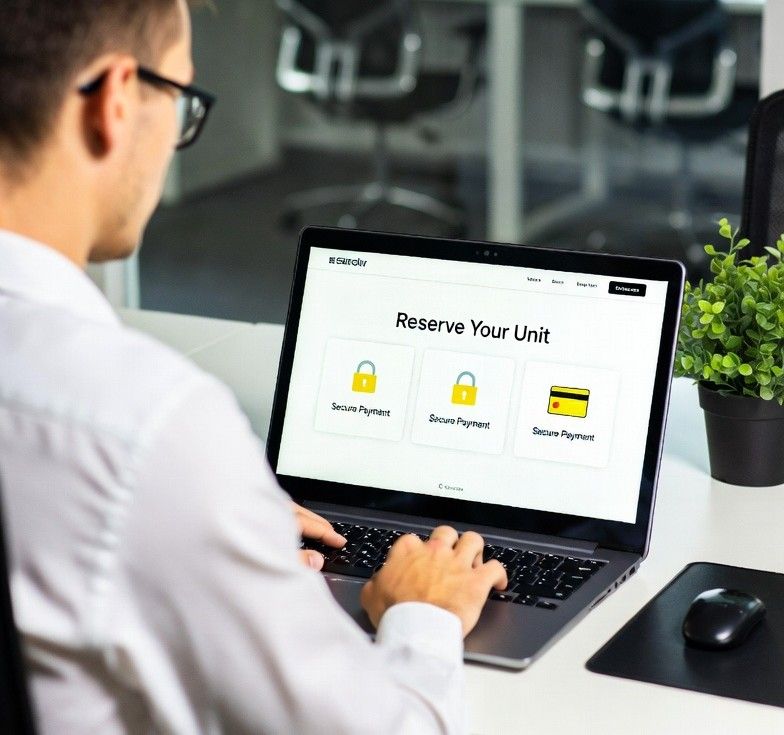
When a preferred unit is identified, reservation can begin online. Secure payment gateways allow buyers to place booking fees electronically. These systems rely on encryption and trusted financial platforms commonly used across Singapore’s banking sector. The process is streamlined, transparent, and efficient.
Secure E-Payments and Buyer Confidence
Trust is critical when large sums of money are involved. Singapore’s reputation as a global financial hub, backed by institutions such as the Monetary Authority of Singapore, supports strong payment security standards. Developers and appointed agencies typically work with reputable banks to process transactions.
Buyers can transfer funds via secure online banking channels, using two-factor authentication and encrypted networks. Digital receipts are issued promptly. Documentation is shared through protected portals. This reduces paperwork errors and lowers the risk of lost forms or delayed submissions.
Convenience also improves transparency. Buyers can track payment timelines, view option-to-purchase deadlines, and receive reminders through email or SMS. Instead of juggling multiple physical documents, everything is organized within a central system. That clarity builds confidence during a major financial decision.
Smart Living Extends to Smart Spending
Tengah was planned as a car-lite and eco-friendly town, with smart energy solutions and green corridors woven into daily life. The purchase process reflects that same vision. Digital booking reduces physical paperwork and unnecessary travel, aligning with broader sustainability goals.
Financial convenience has become part of modern urban sophistication. Buyers expect flexible access to information, quick communication, and efficient transactions. Online systems meet those expectations. They support busy professionals who may be balancing work, family, and investment planning at the same time.
For overseas Singaporeans or foreign buyers eligible to purchase, digital access is even more important. Time zones and travel restrictions are less of a barrier when documents can be reviewed and signed electronically. Video consultations with agents provide clarity, while secure portals keep all records in one place.
From Showroom to Screen
Traditional showrooms still play a role. Many buyers appreciate seeing materials and layouts in person. Yet the digital layer enhances the overall experience. Appointment bookings are often handled online. Confirmation emails and digital queue systems reduce waiting time.
Marketing campaigns increasingly rely on social media previews, online advertisements, and interactive maps. Interested buyers can register their interest with a few clicks. Updates on launch dates and balloting procedures are sent directly to their devices.
This integration of physical and digital touchpoints reflects how property buying has adapted to modern expectations. Technology does not replace the human element. Instead, it supports it. Agents focus more on advisory roles, while administrative tasks move to automated systems.
Efficiency Without Losing Personal Touch
Despite the emphasis on technology, personal guidance remains central. Buyers still consult property agents for advice on financing, eligibility rules, and market trends. Mortgage calculations, stamp duties, and legal procedures require careful review. Digital tools simply make these discussions faster and more precise.
Clear dashboards and online forms reduce back-and-forth emails. Digital document uploads speed up verification. Buyers gain a smoother path from initial inquiry to key collection. The entire process feels aligned with Singapore’s smart nation ambitions.
As Tengah grows into a model for future-ready living, its residential developments reflect that ambition. The blend of sustainable planning and seamless transactions signals a broader trend. Homes are designed for modern lifestyles, and so are the systems that help buyers secure them.
Conclusion
Urban property ownership has entered a new phase. Secure portals, encrypted payments, and digital booking systems reshape how buyers commit to major investments. Tengah Garden Residences demonstrates how urban sophistication now includes financial ease and digital trust. As Singapore continues its smart nation journey, the way people buy homes will remain as innovative as the communities they choose to live in.